

Year: 2026

Integrating Blockchain and Fintech Tools in Crypto Banking

Imagine transferring funds globally in seconds, managing digital assets with advanced apps, and accessing smart contract-powered financial products on your phone. Crypto banking is turning these scenarios into reality by blending blockchain innovations with modern fintech development. As this landscape grows, many companies are seeking out a crypto banking development company to build secure, scalable, and user-friendly solutions that meet the evolving needs of today’s digital finance market.

Custom UI/UX Design for Seamless Crypto Banking Experiences

User experience is a key factor in the adoption of crypto banking platforms. Custom SaaS UI/UX design allows financial products to be intuitive and accessible, reducing the learning curve for new users and supporting customer retention in a competitive sector. Designers focus on clear dashboards, straightforward navigation, and robust security features to build trust. Adaptive interfaces also support accessibility on desktops and mobile devices, making digital asset management as straightforward as checking a savings account balance.

The Role of Blockchain in Fintech Development

Blockchain development underpins the security and transparency that set crypto banking apart from legacy systems. Distributed ledgers ensure that every transaction is traceable, tamper-resistant, and auditable in real time. Smart contract integration automates routine processes like payments, lending, or compliance checks, improving efficiency and reducing operational costs. Financial institutions that partner with a skilled blockchain team can offer innovative products such as decentralized exchanges, crypto-backed loans, and on-chain identity verification, bringing new value to their customers.

AI-Driven Insights in Crypto Banking Apps

Integrating artificial intelligence into crypto banking apps unlocks powerful analytics and risk assessment tools. AI can spot unusual patterns in transaction histories to prevent fraud, personalize product recommendations, and optimize portfolio management for individuals and institutions. For teams evaluating development partners, understanding why teams pick Prostrive often comes down to proven capabilities in merging AI algorithms with secure blockchain infrastructure, ensuring that smart features never compromise on safety or compliance.

How to Choose a Crypto Banking Development Partner

Banking on digital assets requires deep expertise across blockchain, fintech app development, and user-centered design. Start by assessing a vendor’s experience with financial regulations, their portfolio of SaaS platforms, and their ability to deliver scalable, modular solutions. Ask for case studies related to your target market, and evaluate how the team integrates new technologies such as AI or decentralized finance tools. A collaborative approach, transparent communication, and ongoing support are essential for long-term success in this fast-evolving sector.

Where to Learn More About Crypto Banking Solutions

If you want to explore crypto banking in depth, look for resources that compare leading app frameworks, breakdown blockchain security models, and showcase real-world examples of fintech innovations. For detailed guidance on designing secure, scalable digital banking platforms, advanced guides and technical deep-dives from industry experts can help your team make informed decisions as you move from idea to launch.
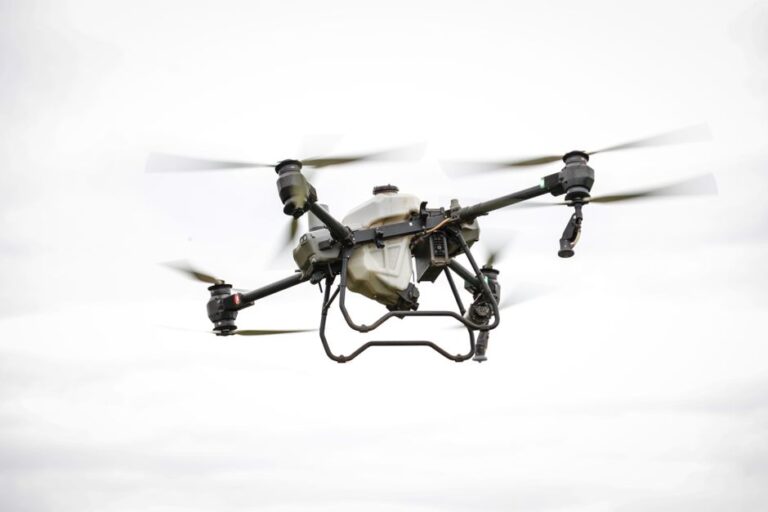

Innovative Geological Survey Solutions Using UAVs

In recent years, the integration of unmanned aerial vehicles (UAVs) into geological surveying has revolutionized the way experts collect and analyze data. Traditional survey methods often require extensive manpower, time, and sometimes hazardous conditions. However, the emergence of advanced UAV technology has paved the way for more efficient, precise, and safe geological studies. By leveraging geological drone survey solutions, professionals in the field can now access remote or difficult terrains quickly while gathering high-resolution imagery and geospatial data that was previously difficult or impossible to obtain.

Advantages of UAVs in Geological Surveys

UAVs provide several key benefits over conventional surveying techniques, contributing to their growing popularity within the geological community:

  • Enhanced Data Accuracy: Equipped with multispectral cameras and LiDAR sensors, UAVs capture detailed topographical and geological features with high precision.
  • Improved Safety: UAVs can access hazardous or unstable locations without putting survey teams at risk, minimizing the chances of accidents.
  • Cost and Time Efficiency: Rapid deployment and automated flight paths reduce the time and labor costs associated with ground surveys.
  • Real-Time Monitoring: UAVs enable live data transmission, allowing geologists to make immediate decisions during the survey process.
  • Environmental Impact Reduction: Compared to heavy machinery or foot surveys, UAVs minimize disturbance to sensitive ecosystems.

Choosing the Right Equipment: Professional Drones by Acecore

When it comes to deploying UAVs for geological purposes, selecting the appropriate drone model is critical. Professional drones by Acecore represent the forefront of commercial drone technology, offering robust designs tailored for inspection, surveillance, and data acquisition in challenging environments. Their drones are equipped with state-of-the-art sensors and long battery life, making them ideal for extended geological survey missions. Utilizing professional drones by Acecore ensures that surveyors benefit from reliable hardware capable of delivering consistent and high-quality results.

Applications of UAV Technology in Geology

UAVs have a broad range of uses within geological activities, each tapping into their unique capabilities:

  • Topographic Mapping: Generating detailed digital elevation models (DEMs) to support both environmental and construction projects.
  • Mineral Exploration: Identifying surface mineral deposits through high-resolution aerial imaging and multispectral analysis.
  • Fault and Landslide Monitoring: Continuous surveillance drone operations enable early detection of geological hazards and movement.
  • Volcanic Activity Observation: Safe monitoring of active volcanoes by capturing thermal imagery and gas emissions remotely.
  • Environmental Impact Assessments: Documenting landscape changes and vegetation health to inform sustainable land management.

Understanding UAV vs Drone in Geological Contexts

While the terms UAV and drone are often used interchangeably, there are subtle distinctions important in professional settings. A UAV specifically refers to an unmanned vehicle controlled remotely or autonomously, often designed for specialized tasks such as geological surveys. A drone, more generally, can refer to any unmanned flying device, including recreational models. Recognizing this difference helps in selecting the appropriate technology for complex survey operations, especially when integrating commercial drones designed for precision and durability.

Complementary Uses: Drone Inspection and Security in Survey Operations

Beyond data collection, UAVs also serve critical roles in inspection and security related to geological projects. Drone inspection capabilities allow operators to examine infrastructure like bridges, pipelines, and mining equipment for wear or damage without interrupting operations. Additionally, drone security measures can protect sensitive survey sites from unauthorized access or vandalism, ensuring uninterrupted data acquisition and safeguarding valuable assets. These applications highlight the multifaceted utility of UAVs in modern geological workflows.

Embracing the Future of Geological Exploration

The integration of UAV technology into geological surveying is transforming the industry by delivering unparalleled efficiency and precision. From leveraging geological drone survey solutions to utilizing professional drones by Acecore, modern surveyors are equipped with tools that enhance their ability to understand and manage the Earth’s surface. As UAV capabilities continue to evolve, their role in geological exploration will only expand, opening new frontiers for scientific discovery and resource management.

RSS
Follow by Email